
Compost: The Best Kept Secret in Your Yard
Henrico Master Gardener
Benefits of compost:
- Improves soil structure
- Reduces soil erosion and water runoff
- Provides food for worms, insects and beneficial microorganisms (The soil is alive!)
- Helps soil hold nutrients
- Promotes healthy plants
- Reduces input costs
- Recycles wastes and keeps them out of the landfill, reducing methane gas emissions
Kitchen Waste Compost
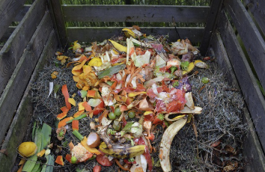
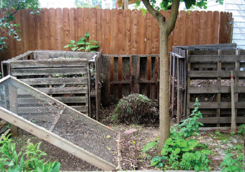
Compost can be made from yard and kitchen waste, just make sure to leave out dairy, oil and meat products. It’s as simple as two parts brown (leaves, twigs, newspaper, straw) to one part green (vegetable/fruit scraps, coffee/tea grounds, crushed eggshells) by volume. Keep the pile or container moist — like a wrung-out sponge — and turn as often as you’re able, to get oxygen into the pile. After 3-6 months you should have beautiful, dark, crumbly, earthy smelling compost that’s ready to use.
Leaf Mold Compost
You can also make leaf mold from composting your newly fallen leaves each Fall. Simply shred or break up the leaves, make a leaf pile (or contain them in a small area), turn and water regularly. While it may take longer to decompose than traditional compost, it’s a great way to make use of a natural resource, especially if you have a lot of trees!
To get started, check out Virginia Cooperative Extension publication: Making Compost from Yard Waste