
Henrico Master Gardener Demonstration Gardens
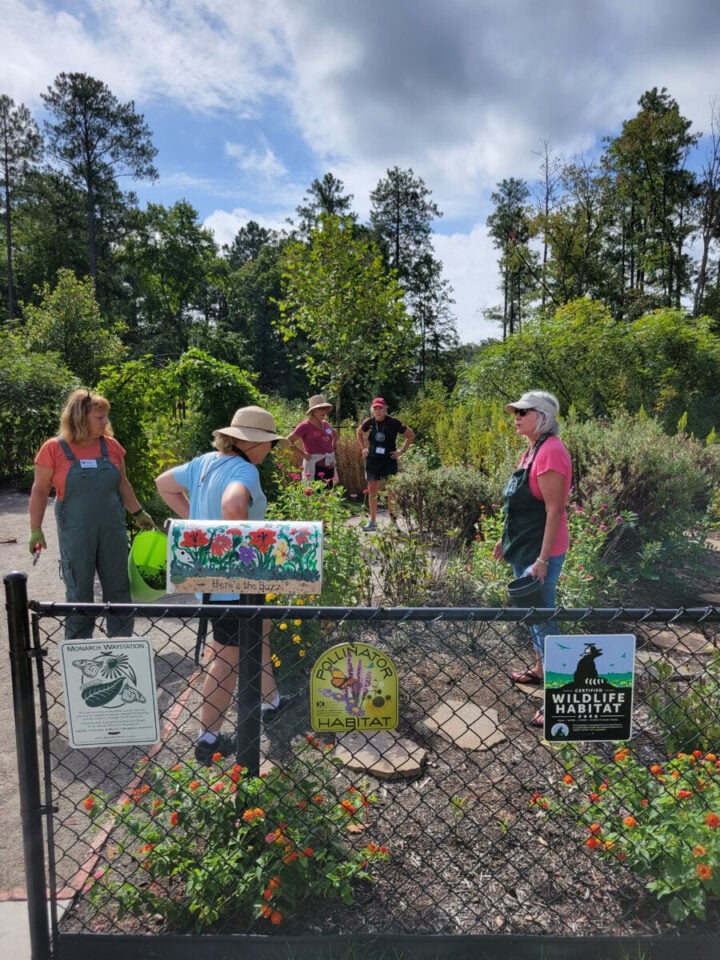
Henrico Master Gardeners designed, installed and maintain two demonstration gardens: the Pollinator Garden at Short Pump Park in western Henrico County and the Armour House Butterfly Garden at Meadowview Park in eastern Henrico County.
The gardens feature blooms from spring through fall and host educational programs throughout the year. Both gardens welcome a variety of pollinators and enjoy enthusiastic support from the public.
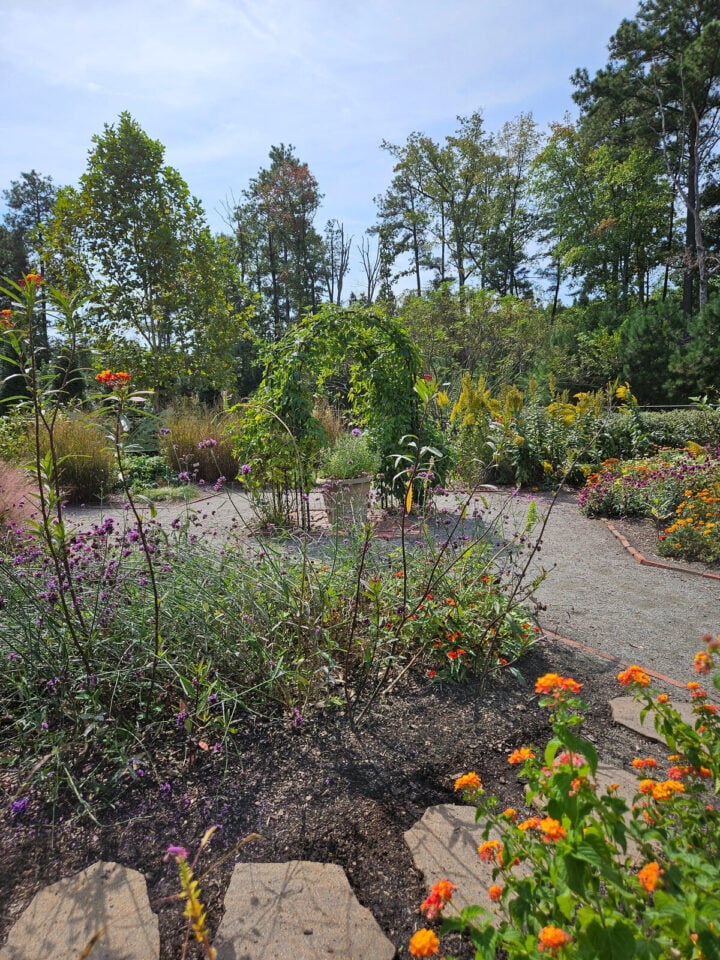
Short Pump Park Pollinator Garden
The Pollinator Garden at Short Pump Park3329 Pump Road
Henrico, VA 23233
Garden Features
- Established in 2017
- Approximately 2,000 square feet
- Approximately 50 plant species
- About 80% native Virginia plants
- Host and nectar plants for pollinators
- Solitary cavity-nesting bee box
- Bluebird box
- Interpretive signage
- Little Library
- Five national certifications
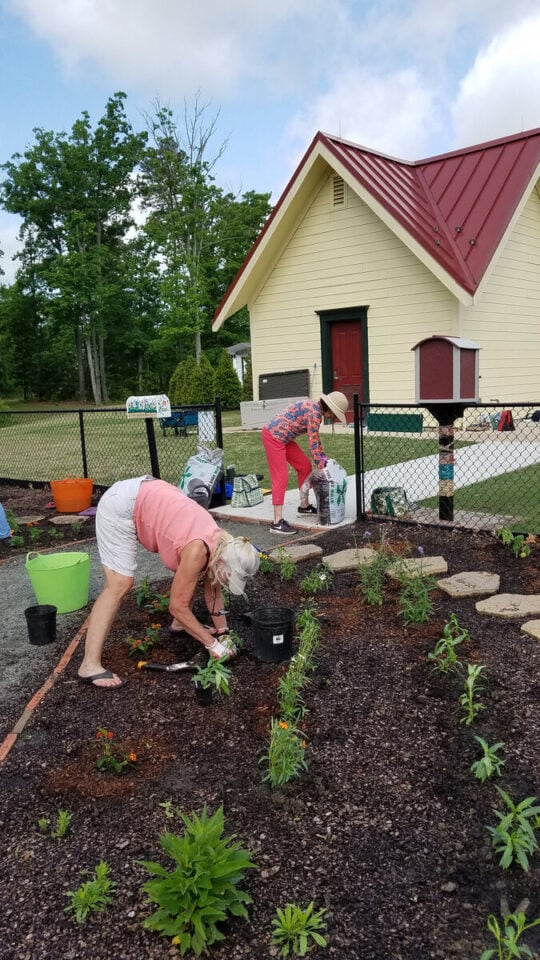
Armour House Butterfly Garden
Armour House Butterfly Garden4001 Clarendon Road
Henrico, VA 23223
Garden Features
- Established in 2012
- Approximately 2,500 square feet
- StoryWalk around the garden perimeter
- “Become a Butterfly” playhouse
- Bluebird box
- Butterfly evolution signage
- National certification

Pollinators Need Our Help
Pollination is the transfer of pollen between flowers. This process gives us fruit, seeds and vegetables. Birds, bats, small animals and insects act as pollinators. You can thank a pollinator for about one in every three bites you take.
There are many best practices you can try at home to establish your own pollinator garden. From choosing beneficial plants to creating an environment where pollinators can thrive, these steps can help you contribute to the ecosystem.
How to Support Pollinators at Home
- Use native plants. They are adapted to local climate and soils, and local pollinators are adapted to them.
- Plant a variety of flowers. Choose plants that bloom continually from early spring through early fall.
- Provide different flower shapes and colors. Different pollinators are attracted to different types of flowers.
- Avoid pesticides when possible. If you want butterflies, you need caterpillars and the nibbled leaves that go with them.
Contact the Henrico Extension Office
Henrico Extension Office6800 Staples Mill Road
Henrico, VA 23228
804-501-5160
Virginia Cooperative Extension Statement
Virginia Cooperative Extension is a partnership of Virginia Tech, Virginia State University, the U.S. Department of Agriculture and local governments. Its programs and employment are open to all, regardless of age, color, disability, sex (including pregnancy), gender, gender identity, gender expression, genetic information, ethnicity or national origin, political affiliation, race, religion, sexual orientation, military status or any other basis protected by law.