
Lyreleaf Sage is a great native groundcover
By Rae Ann Leedy
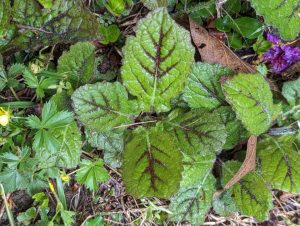 Humble, yet bold, the Lyreleaf Sage (Salvia lyrata) is a powerful herbaceous native perennial. It erupts every spring with a profusion of nectar-rich, violet blooms that feed pollinators well into the heat of summer. It is often one of the first available sources of energy for hummingbirds and bees, and according to the Native Plants for Virginia’s Capital Region guide, its foliage hosts five species of native caterpillars.
Its attractive, lyre-shaped leaves are semi-evergreen. The basal leaves form a tightly packed rosette that makes it a fantastic groundcover due to its ability to suppress weeds while keeping the underlying soil cool. These attributes make it a great substitution for non-native groundcovers such as ajuga.
When considering where to plant lyreleaf sage, it is rather forgiving and can tolerate long periods of drought and overwatering. It can thrive in both sun and shade. However, with part-shade, Salvia lyrata will grow larger and develop a more pronounced, handsome streak of purple in its stems and the veins of its leaves. This purple coloration darkens in the fall and can add more autumn interest to your garden.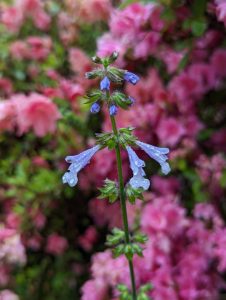
Management of this plant in the garden is easy, but not necessarily low maintenance. It does have a taproot. But its overall root system is rather shallow so it can be pulled during damp weather without much guff. But be advised that it is a happy seeder!
So, if you’re considering adding a groundcover to your garden, look no further than the humble Salvia lyrata. You can find plants available in nurseries that focus on growing regional native plants. But if you look just hard enough, with a little sleuthing, you will notice it growing almost everywhere. You can collect the seeds from dried stalks in late summer to early fall (August to October) by shaking them into a folded piece of paper. Easy as pie!